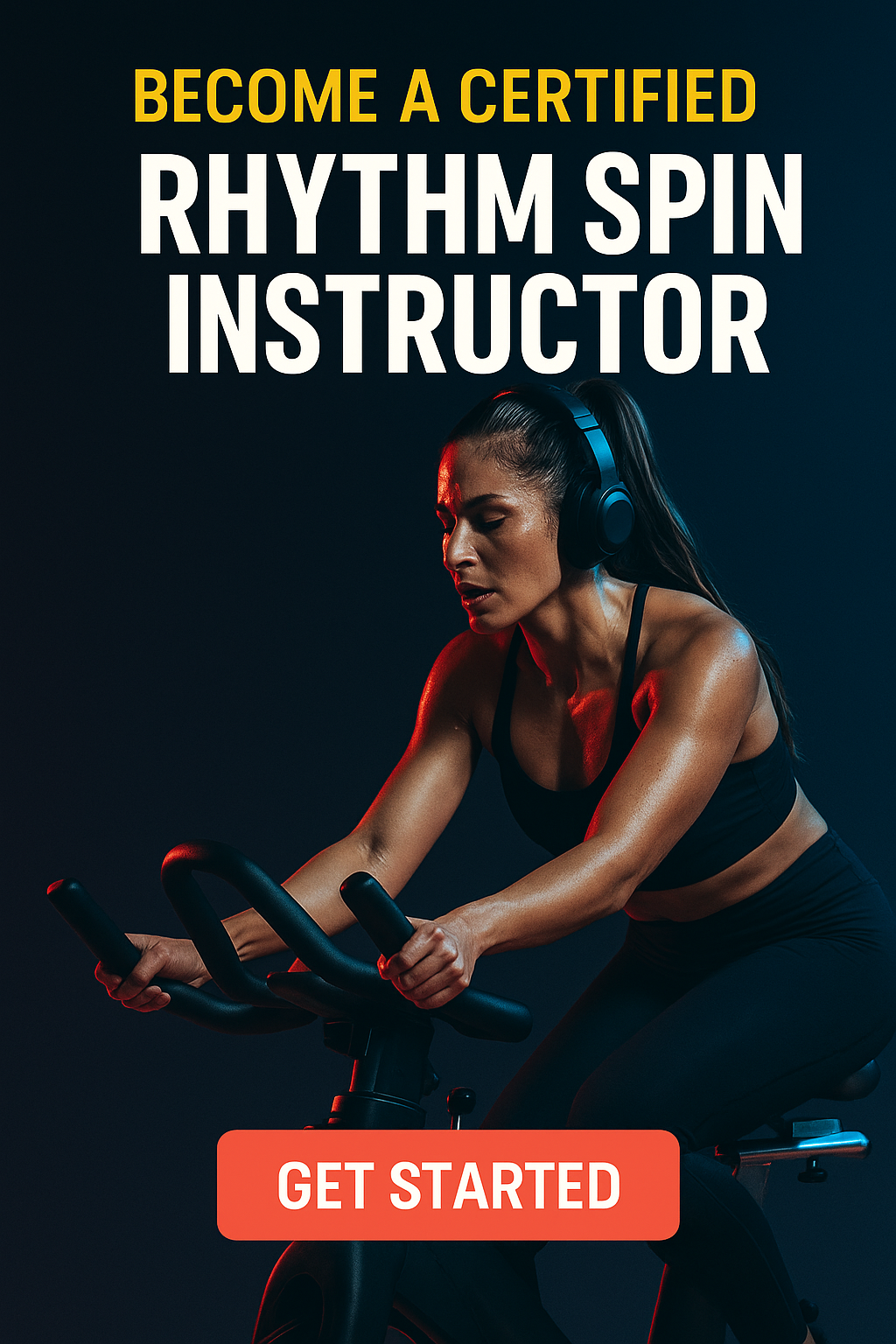
Rhythm-style spin classes are quickly becoming one of the most engaging formats in the indoor cycling world. Unlike traditional indoor cycling rides that emphasise structured intervals, resistance changes, and outdoor terrain simulation, rhythm classes place music and motion at the forefront of the experience.
The choreography in a rhythm spin class integrates musical timing, bike movements and upper-body cues. Riders aren’t simply seated or standing to climb—they are moving “to the beat”: jumps, runs, tap-backs, hands-free pulses, and coordinated arm-patterns all timed to the music.
The goal is dual: workout intensity and a sense of flow. Instructors design class blocks that align with the musical structure—warm-up to establish groove, main ride section with choreography peaks, and cooldown that blends rhythm with recovery.
What makes the choreography effective? First, syncing movements to beat helps riders feel alignment with the music instead of fighting it—this increases engagement and makes the workout feel less like a grind and more like a performance.
Second, varied movements – a well-choreographed rhythm class alternates between seated drills, off-saddle runs, upper-body extensions, and maybe even weights or pulses thrown in. This keeps the class dynamic and full-body.
Third, the instructor cueing must be clear and strong—since riders are moving to the beat, cueing must marry musical timing (“on the chorus we sprint”, “next beat we both arms up”) with bike mechanics (resistance, cadence).
From a class-design perspective, here are a few best practices:
-
Choose music that has a strong, clear beat and build your class blocks around musical phrase lengths (e.g., 32 beats = 8 measures) so riders can anticipate changes.
-
Introduce choreography patterns early (e.g., hand patterns, tap-backs) and build upon them so participants feel progression rather than chaos.
-
Always include a mechanics primer for first-timers: show how to safely perform off-saddle moves, arm work, and transitions without sacrificing form.
-
Balance fun with function: while rhythm rides should feel like a party, underlying resistance, cadence and bike performance should still be anchored in fitness outcomes.
In short: rhythm-style spin is about blending music, movement and measurement. For instructors looking to elevate their class, focusing on choreography that resonates musically, cues riders clearly, and links to resistance/effort will create sticky, memorable sessions that riders come back to week after week.