
March is here, and the energy in spin studios worldwide is shifting. If you’ve walked into a boutique cycling class lately, or simply scrolled through your social media feeds, you’ve likely noticed a massive transformation. We are no longer just riding stationary bikes; we are participating in a global movement. The days of simply grinding away at a heavy resistance while staring blankly at a mirror are fading. In their place is a high-octane, beat-driven experience that blurs the line between a grueling athletic conditioning session and an underground nightclub. Rhythm cycling has taken center stage, and advanced choreography is the new standard.
The Rise of the “Rockstar” Master Instructor
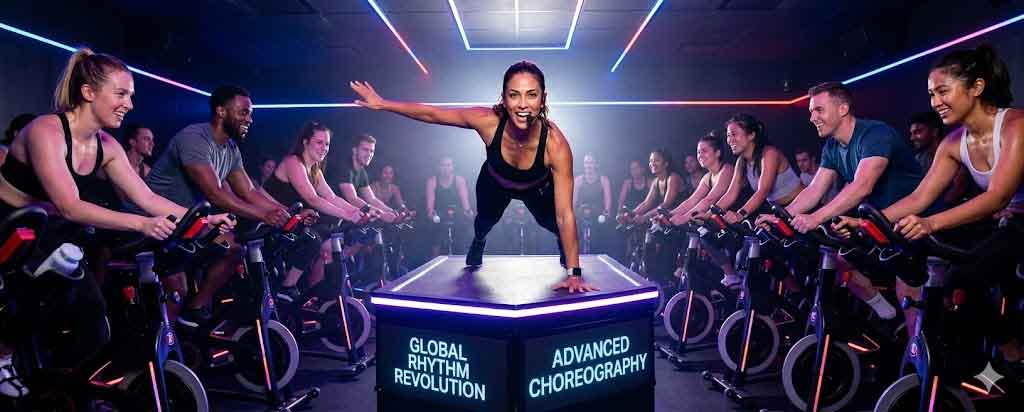
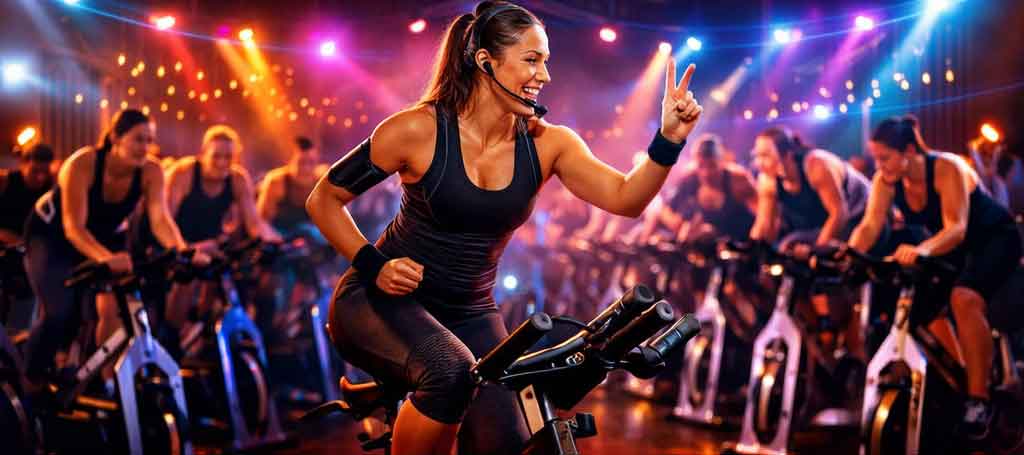
In the past, an instructor’s primary job was to call out RPMs and resistance numbers. Today, the podium has transformed into a stage, and the instructor is the headlining act. We are seeing incredible, dynamic talent emerging from every corner of the globe—from the electrifying studios in Mexico City to the precision-focused classes in London, to the high-energy, synchronized crews in Brazil. These Master Instructors are no longer just fitness coaches; they are part DJ, part dancer, and part motivational powerhouse.
The complexity of the choreography they are executing is staggering. We are talking about double-time tap-backs, rapid-fire push-ups, flawless core isolations, and fast-paced, four-point combinations. It’s an art form. When an instructor can get a dark room of fifty riders moving in absolute perfect synchronization to a heavy bass drop, the energy is quite literally unmatched. It creates a shared, visceral experience that keeps riders coming back to the saddle day after day.

Why Rhythm Riding is Dominating the Studio Space
Why are riders flocking to these highly choreographed classes? The answer lies in the mental escape. Traditional metric-based riding, while incredible for athletic conditioning and tracking physical milestones, often keeps the rider in their own head, constantly analyzing their power output and heart rate zones.
Rhythm cycling does the exact opposite. By demanding absolute, unwavering focus on the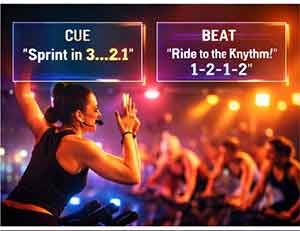 beat and the complex physical movements, riders are forced to drop their daily stressors at the studio door. You simply cannot worry about your inbox, your commute, or your to-do list when you are trying to nail a high-speed sprint combo out of the saddle. Furthermore, moving rhythmically with a group taps into a deep, evolutionary human desire for community and synchrony. It releases massive amounts of endorphins, making the workout feel less like a chore and more like a celebration. It is fitness disguised as a party, and in a fast-paced, high-stress world, that hour of unadulterated release is invaluable.
The Digital Expansion: The World is Your Studio
The physical studio is no longer the boundary of the spin class. The explosion of digital platforms and high-quality video content has democratized access to the world’s best rhythm rides. Riders in small towns can now clip in and match the pedal strokes of elite instructors thousands of miles away.
This digital expansion has created a massive, interconnected global community. Riders are sharing their favorite combos, instructors are exchanging choreography ideas across continents, and the standard for what makes a “great” class is being universally elevated. The screen is no longer a barrier; it’s a bridge that brings the absolute best talent directly into home gyms everywhere.
The Critical Need for Advanced Foundations and Education
However, with this explosion of advanced choreography comes a new challenge for the industry. Executing a double-time push-up while pushing heavy resistance is not for the faint of heart, and more importantly, it is not something that should be attempted without flawless form. As classes become faster and more complex, the risk of injury naturally increases if the foundational mechanics aren’t properly taught and maintained.
This is where the industry must evolve behind the scenes. Being a great rider with excellent rhythm does not automatically equate to being a great instructor. The modern indoor cycling coach requires a deep understanding of biomechanics, clear cueing, and musicality.
There is a growing, desperate need for comprehensive, high-quality certification programs and educational resources that teach instructors how to safely construct these advanced routines. Instructors need to learn how to bridge the gap between keeping a class biomechanically safe and delivering that mind-blowing, high-energy choreography. Equipping coaches with the right foundational knowledge—through accessible, in-depth guides, manuals, and training—is the only way this rhythm revolution sustains its incredible momentum safely. The best instructors are those who master the basics before they ever attempt the flash.
The Convergence of Fitness and Entertainment
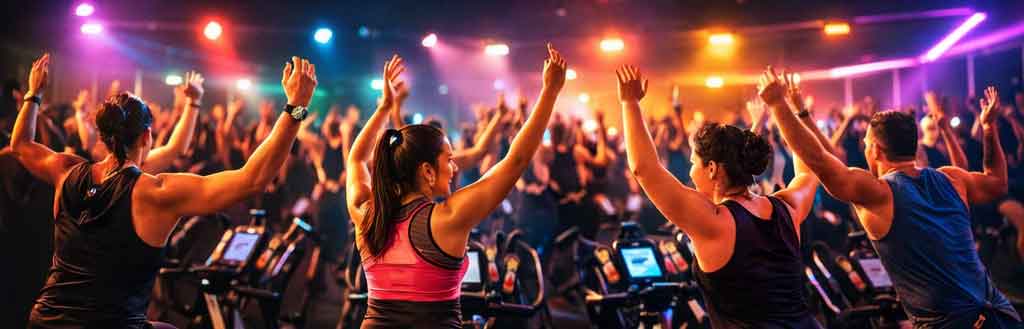
Looking ahead, the line between fitness and entertainment will only continue to blur. We are seeing studios incorporate immersive lighting rigs that rival major concert venues, sound systems that vibrate through the floorboards, and video production that turns a standard class into a cinematic event.
But at the heart of it all is the community. It’s the shared sweat, the collective breath, and the triumph of hitting that final heavy hill climb together. The industry is thriving because it has realized that people don’t just want to burn calories; they want to feel something powerful.
Clip In and Level Up
As we push further into the year, the indoor cycling industry shows no signs of tapping the brakes. The choreography will get sharper, the beats will get heavier, and the instructors will continue to elevate the craft to astonishing new heights. Whether you are a studio owner looking to innovate, an instructor looking to level up your sequencing, or a rider just looking for the ultimate physical and mental escape, there has never been a more exciting time to clip in.
For the latest daily inspiration, masterclass combos, and to see the best instructors from around the world in action, make sure you are riding with the world’s largest indoor cycling community. Check out our massive library of classes and global highlights at YouTube.com/Indoorcycling, and stay tuned right here on indoorcycling.ca for more industry insights, training tools, and community news. Let’s ride!